Thursday, December 4, 2008

Social Networks & Your Meeting

The launch of Facebook Connect, a single unified, sign-on application that allows users to go from one protected site to another without logging in again, is going to be a game-changer in many ways. Take me for example. I have 'social' profiles on Yahoo (email), LinkedIn (professional), Facebook (personal), Pharma Planners Connect, iMeet and, sad to say, MySpace (though I only use it to sign in so I can see others' pictures!). In addition, I have separate passwords for PayPal, banking, frequent flier programs, blog, eTrade, eBay, Amazon, email marketing, instant messenger... you get the picture.

Keeping track, protecting and manually entering this information for each site becomes quite cumbersome, especially to busy professionals whose time is crunched and are used to having everything else on the internet so user-friendly. While Facebook Connect and Google's OpenSocial projects are primarily focusing on 'social' sites for the time being, you can clearly see where this is headed.

How do we, as meeting professionals, use this to help strengthen our programs? A great way to start is to build online communities surrounding your most important events. If you are not doing this now, pick one of your most important events and test it out (there are plenty of consultants out there who can help you like QG Partnership - Obama used BSD).

Rather than diving in head first, you'll want to dip your toes in to see what works and what doesn't. The idea behind this is to connect and interact with your audience, giving them the opportunity to participate and influence your program content thus enhancing their experience with your brand/organization. Here is a list of how 35 large companies are using social networking tools. Click here for a terrific list of reason why social networking is great for business.

There are so many applications where social networking can be useful before, during and after a meeting. Picture the usefulness applied to planning an internal sales meeting. One of the main objectives should be providing ample opportunity for reps from different regions to start discussions pertaining to challenges or best practices in the field. Providing an online community with different topic forums will allow reps with similar challenges and interests to gather amongst themselves, discuss and talk about solutions to their individual difficulties. If you're planning a convention, perhaps you'd like to start online discussions before their arrival to the event; to solicit hot topics from key demographics. Keeping your fingers on the pulse of your key targets will allow your team to implement and highlight the subjects of most interest to them into your exhibit presentation. The most important thing to remember is the value of connection, which will allow you and your team to have a better understanding of your constituency- by providing them the forum to connect. But none of this will happen magically, it will require a good deal of planning and a comprehensive communications plan.

With new applications such as Facebook Connect and OpenSocial, it will be much easier for audiences to connect across a variety of previously unavailable platforms. For instance, if one of my suppliers sees my LinkedIn profile through his MySpace account, he might be encouraged to connect with me that way, where previously we would not have had the visibility. Perhaps someone reads this blog and finds out that through my iMeet profile the services my company provide are a perfect fit for what they have been looking for.

Event-specific social networking is also terrific for post-program marketing & communications. I have seen so many events where a tremendous amount of momentum was generated and the audiences were so charged-up, only to have that impact flatline within a week. Design your site to gather feedback and opinions and ask them how you can improve subsequent programs. Continue to update content that will provide your audience incentives to return. You won't get there immediately, but like they said in Field of Dreams "if you build it, they will come".

You will not know exactly how, or even if your strategy is going to work at the start, but the main point is allowing those who want to participate in that fashion the option do so. They will be the ones who will tell you what your strategy should be moving forward, not by words, but by action. One thing I can guarantee you: if you do nothing, you will get nothing in return.

VIRTUAL WORLDS
There is something nerdy about virtual worlds and the folks that inhabit them for hours on end. When I see avatars that look like velociraptors, trying to solicit virtual sex with virtual prostitutes in virtual red-light districts, I picture the person behind the keyboard to be a 30-something programmer, surrounded by empty Mountain Dew bottles and Dorito bags, who hasn't left his mother's basement in two weeks.
The kind of guy with three custom-modified computers, nine MySpace accounts who gets extremely upset if you even glance at his collection of Star Trek action figures.

While that stereotype is very creepy, one thing is certain: virtual worlds are going mainstream, in one form or another, and will continue to have more and increasingly real-world applications. It might take a few years, like the wireless revolution we were all hearing about 10 years ago (which, by the way, is happening NOW!), but one day very soon virtual worlds will revolutionize the meeting planning industry.

While you may have dismissed the thought of hosting meetings & events in virtual worlds in the past, many of the world's leading companies are placing big bets on the power of meeting online. The new generation of information workers will have a different attitude, as their education was heavily dependent on technology that didn't exist when I went to college in the 90's. All the Gen-Y kids coming out of Stanford, MIT, and Princeton, the business leaders in 10 years, all have "In-World" avatars reflecting their own preferences and personalities. One day very soon, these same avatars will be a confluence of Facebook profiles, V-Cards, LinkedIn profiles that will be their definitive 'online presence'.

Watch this video to see how some of the world's largest companies have been heavily investing in Second Life:As meeting planners, how can we afford to ignore new technologies that will impact the future of our industry so profoundly? Particularly in a down economy. Imagine completing 10 site visits in one day, without ever leaving your office. Having five regional sales meetings in two days where there are no travel expenses. Complete compliance training for various certifications from the convenience of your own office. Start thinking of the look on senior management's faces when you demonstrate the cost savings gained by having no airfare, no accommodations, no F&B costs.

Are any of you currently using this technology past the demo stage? Is the push coming from your team or your IT department? If not, are any of you in discussion about it? Who is driving it, Meeting Planning, IT, Marketing/Sales or Senior Management?

Here is an interesting example: Virtual Forbidden City developed by IBM in partnership with the Palace Museum. It was designed to encourage people from all around the world to explore and learn about Chinese history and culture.

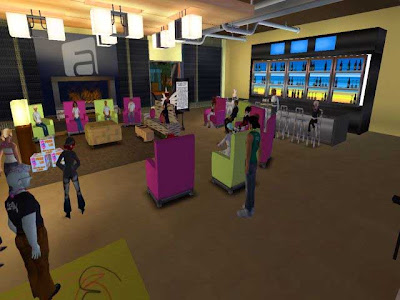
Starwood's new hotel chain aloft actually launched it's brand with virtual tours in Second Life before any of the properties were opened.

Dell Island (video) is another great example of how consumers can interact with products online. Not a believer yet? Check out the infinite possibilities at What is Scion City. While this is nothing more than an extended commercial, approaching it in a different fashion allows for more engagement. It's only a matter of time until the graphics in Second Life are as good as they are on Grand Theft Auto IV on X-Box 360.

Obama's In-World Presidential Campaign:The business applications for meeting planners are endless, but once again a cultural/consumption shift will have to occur to make it useful. Planners need to anticipate the needs of their customers and attendees and be there waiting for them when they walk through the door. Being prepared to offer this to our internal customers before they ask for it is what makes us valuable to our organizations. If you'd like to learn more, check out Millions of Us.

Instead of a hosting a mandatory compliance training meeting in a boring conference center in some random suburb of Boston, you can host it in your virtual meeting room 'In-World' at your own branded meeting space/swim-up pool-bar, on a Pete Dye-designed golf course sitting on your private island in the Carribean.

Hey, you can dream, right? That's what makes Second Life so interesting.

Recession? What recession?

Contrary to the strategy of virtually every competitor in their industry, Starwood’s aggressive expansion of the aloft “lifestyle” brand flies in the face of the current economic meltdown. With such an ambitious growth strategy amidst the current fragile credit markets, it appears Starwood is going All-In on the aloft brand.

Is there something they know that we don’t? According to their website, there are 19 aLoft properties currently open, primarily in the U.S. Over the next three years, they plan on opening 73 additional properties, 13 of which will be located outside the U.S. Curiously enough, of these 92 current or proposed projects, only one will be in Europe (see list below).

While traditional upscale chains such as Four Seasons, Ritz-Carlton and Hyatt are refining their signature properties to cater to the upscale crowd, aloft is taking a decidedly different approach. With loft-like urban design, tech-savvy amenities, a social atmosphere and trendy launch parties, complete with fashion shows and DJ’s, aloft marketers are actively courting the younger, hipper Gen X & Y business travelers. aloft also chose to launch their brand in Second Life, an online virtual 3D ‘world’ that caters to younger, tech-savvy professionals, which allows users to navigate the spatial environment online using an avatar. See the video belowClearly aloft is a long-term bet, one that Starwood has made, and won, on a number of occasions in the past. Think back to when The W Hotel chain was launched ten years ago. No one had ever heard of it and it was a huge departure from their traditional Sheraton and Westin-type properties. But they pulled it off and revolutionized the ‘urban’ trend in hotel design. The chips are still on the table on that bet, but the odds of it paying off look pretty good at the moment. Given the W Hotels success, their marketers and designers are not resting on their laurels, but rather continually updating and reinventing each property to remain edgy.

If history serves as our guide, Starwood’s aloft bet will win big.

Description from an aLoft Press Release:
“Guest rooms feature the brand's signature nine-foot ceilings, oversized windows and the ultra-comfortable bed, as well as oversized walk-in showers and amenities created by Bliss Spa. Each aLoft room is also a combination of high-tech office and entertainment center equipped with wireless internet access and a one-stop connectivity solution for multiple electronic gadgetry all linked to a 42" flat-panel, HDTV-ready television.

aLoft offers atmospheric public spaces where guests can mix and mingle, read the paper, work on laptops, play a game of pool or grab a drink with friends at the re:mix communal lobby area and w xyz bar. The re:charge fitness center and splash pool give travelers options to de-stress and re-energize, while re:fuel by aloft offers sweet, savory and healthy food, snacks and beverages to grab & go, 24-hours a day. Aloft is also committed to the environment and launched a see green program, which promotes ecologically friendly practices, products and services both inside and outside the hotel.”

CURRENTLY OPEN
United States
Arkansas
Rogers - aloft Rogers-Bentonville
California
Rancho Cucamonga - aloft Ontario-Rancho Cucamonga
Colorado
Aurora - aloft Denver International Airport
Illinois
Rosemont - aloft Chicago O'Hare
Massachusetts
Lexington - aloft Lexington
Minnesota
Minneapolis - aloft Minneapolis
North Carolina
Charlotte - aloft Charlotte Uptown at the EpiCentre
Oregon
Portland - aloft Portland Airport at Cascade Station
Pennsylvania
Philadelphia - aloft Philadelphia Airport
South Carolina
North Charleston - aloft Charleston Airport & Convention Center
Tennessee
Franklin - aloft Nashville-Cool Springs
Texas
Frisco - aloft Frisco
Irving - aloft Las Colinas
Plano - aloft Plano
Virginia
Ashburn - aloft Dulles North
Chesapeake - aloft Chesapeake
Glen Allen - aloft Richmond West

Canada
Montreal - aloft Montreal Airport

Asia Pacific
China
Beijing - aloft Beijing, Haidian

FUTURE OPENINGS
United States
Alabama
Homewood - aloft Birmingham Soho Square - Opening April 2, 2009
Arizona
Chandler - aloft Chandler - Opening December 1, 2009
Glendale - aloft Glendale - Opening April 15, 2010
Phoenix - aloft Phoenix-Airport - Opening September 24, 2009
Tempe - aloft Tempe - Opening March 26, 2009
California
El Segundo - aloft El Segundo - Opening June 1, 2010
Colorado
Broomfield - aloft Denver, Arista Northwest - Opening May 1, 2009
Glendale - aloft Cherry Creek - Opening March 1, 2010
Delaware
Wilmington - aloft Wilmington - Opening February 1, 2010
Florida
Aventura - aloft Aventura - Opening March 1, 2010
Bay Harbor - aloft Bay Harbor - Opening June 1, 2010
Jacksonville - aloft Jacksonville Airport - Opening June 1, 2009
Orlando - aloft Orlando International Airport - Opening December 31, 2011
Orlando - aloft Orlando/Convention Center - Opening June 30, 2010
Tallahassee - aloft Tallahassee Downtown - Opening August 27, 2009
West Palm Beach - aloft West Palm Beach - Opening February, 2010
Georgia
Alpharetta - aloft Alpharetta - Opening August 1, 2010
Atlanta - aloft Atlanta Airport/Millennium Center - Opening May 1, 2011
Atlanta - aloft Atlanta Buckhead - Opening June 1, 2010
Savannah - aloft Savannah - Opening January 4, 2010
Illinois
Bolingbrook - aloft Bolingbrook - Opening June 25, 2009
Chicago - aloft Chicago City Center - Opening January 1, 2011
Chicago - aloft Chicago Millennium Park - Opening September 1, 2011
Lincolnshire - aloft Lincolnshire - Opening March 1, 2010
Oakbrook - aloft Oakbrook - Opening December 1, 2009
Indiana
Indianapolis - aloft Indianapolis Woodfield Crossing - Opening Dec. 31, 2011
Plainfield - aloft Plainfield Metropolis - Opening December 31, 2011
Kansas
Leawood - aloft Leawood - Opening April 1, 2009
Maryland
Baltimore - aloft Baltimore Fell's Point - Opening December 31, 2009
Hanover - aloft Arundel Mills - Opening April 30, 2009
Linthicum - aloft BWI Airport - Opening July 2, 2009
National Harbor - aloft Washington National Harbor - Opening March 5, 2009
Minnesota
Minneapolis - aloft Edina - Opening January 1, 2010
Nevada
Las Vegas - aloft Las Vegas - Opening January 1, 2011
New Jersey
Mount Laurel - aloft Mount Laurel - Opening September 1, 2009
Woodbridge - aloft Woodbridge - Opening March 2, 2010
New York
aloft Brooklyn/Downtown - Opening March 1, 2010
Buffalo - aloft Buffalo Airport - Opening January 15, 2010
Long Island City - aloft NYC - By the Bridge - Opening December 31, 2010
New York - aloft Harlem - Opening June 1, 2010
North Carolina
Asheville - aloft Asheville Downtown - Opening April 1, 2010
Chapel Hill - aloft Chapel Hill - Opening March 1, 2010
Charlotte - aloft Charlotte Ballantyne - Opening January 1, 2010
Raleigh - aloft Raleigh-Durham Airport Brier Creek - Opening March 1, 2010
Oklahoma
Tulsa - aloft Tulsa - Opening February 15, 2010
Pennsylvania
Harrisburg - aloft Harrisburg - Opening March 1, 2010
Philadelphia - aloft Philadelphia Gateway - Opening July 1, 2011
Rhode Island
Providence - aloft Providence - Opening February 1, 2010
South Carolina
Greenville - aloft Greenville Airport - Opening February 1, 2010
Texas
Austin - aloft Austin at the Domain - Opening November 3, 2009
Dallas - aloft Dallas Downtown - Opening July 1, 2009
Houston - aloft Houston - Opening May 1, 2009
San Antonio - aloft San Antonio Airport - Opening March 5, 2009
San Antonio - aloft San Antonio Downtown - Opening December 1, 2009
San Antonio - aloft San Antonio Northwest - Opening May 1, 2010
Virginia
Chantilly - aloft Dulles South - Opening June 1, 2009
Winchester - aloft Winchester - Opening April 1, 2010
Wisconsin
Green Bay - aloft Green Bay - Opening March 26, 2009
Madison - aloft Madison - Opening June 1, 2010
Milwaukee - aloft Milwaukee Downtown - Opening December 1, 2009

Canada
Toronto - aloft Toronto Downtown - Opening December 1, 2009
Vaughan - aloft Vaughan Mills - Opening October 31, 2009
Laval - aloft Laval - Opening March 1, 2010

Europe
Belgium
Brussels - aloft Brussels Schuman - Opening September 1, 2010

Middle East
Abu Dhabi - aloft Abu Dhabi - Opening September 1, 2009

Asia Pacific
China
Foshan - aloft Nanhai-Foshan - Opening January 1, 2011
India
Ahmedabad - aloft Ahmedabad, SG Road - Opening April 1, 2010
Bangalore - aloft Bangalore, Whitefield - Opening April 1, 2010
Chennai - aloft Chennai, OMR-Sholinganallur - Opening January 1, 2010
Coimbatore - aloft Coimbatore Singanallur - Opening December 1, 2010
Thailand
Bangkok - aloft Bangkok-Sukhumvit 11 - Opening January 1, 2010
Bangkok - aloft Bangkok-Sukhumvit 26 - Opening January 1, 2011
Bangkok - aloft Silom - Opening March 1, 2010


Wednesday, December 3, 2008

FICP comes out Swinging

The Financial and Insurance Conference Planners stepped up to the plate in a big way recently, offering their take on the recent bad press generated by AIG and others.

From FICP's website:
"Financial and Insurance Conference Planners (FICP) has followed with much interest the press coverage of excessive spending of certain financial institutions on meetings and events.

We strongly believe in scrutinizing the ethical, moral and financial stability of all publically held companies. FICP does not support irresponsible and excessive corporate spending, especially during times of economic distress. But we would also like to offer our perspective on the relevance and value of corporate meetings, conferences and incentive programs, many of which have been planned long in advance of any financial trouble, and many of which are vital to helping companies focus their human talent on the future.

FICP is the leading association of meeting and conference planning professionals within the financial and insurance marketplace, representing $600 million annually in hospitality-related business. Our members pride themselves on producing meetings and conferences that generate strategic business results. We’d like to set the record straight on the meeting and event business.

Meetings get results. They firm up partnerships and inspire success. The strategic collaboration of individuals and companies is a proven mechanism for developing business solutions and increasing productivity. When economic times are tough, it’s vital for employees to be able to come together to share ideas and skills, to create solutions and set long term strategic goals. Sales conferences and performance incentive programs in particular are powerful business tools. Such events motivate top performers to go even further, as well as provide training opportunities for up-and-coming professionals.

According to the Meeting Professionals International Foundation / George P. Johnson EventView study, Fortune 1000 'Chief marketing Officers' view meetings and events as having the highest return on investment of any marketing channel or initiative. In exceptionally competitive and unstable market conditions, strategically focused meetings, events and sales conferences boost business and deliver results.

Publicly traded companies must be held to high standards in regards to how stockholder investment is spent. Now more than ever, business organizations must demonstrate greater fiscal responsibility and cut costs. But cancelling meetings, sales conferences, events and incentive programs would be both short sighted and irresponsible. These are vital functions to a corporation’s success.
"

What do you have to say to that Press???

Tuesday, December 2, 2008

Atlantis, The Palm - Dubai

November 20 marked the grand opening of the most ambitious hotel property in the world, Atlantis, The Palm in Dubai (the sister property to the famed Bahamas hotspot). Where else but Dubai could such an ambitious project garner so much attention while flying in the face of the world’s economic crisis? The amount of detailed and coordinated planning that went into the grand opening party may have just set the bar at its permanent height.

PALM JUMEIRAH ISLAND
Rising from the warm waters of the Arabian Gulf, this ultra-luxurious resort was built on 113 acres of reclaimed land, perched atop the revolutionary Palm Jumeirah. The Palm Jumeirah, a series of manmade islands designed to assimilate a 17-frond palm tree, spans five kilometers (3.35 miles) and is regarded by many as the eighth wonder of the world.

THE RESORT
Boasting 360 degree views of the ocean, restaurants from acclaimed chefs and an incredible marine habitat that is home to more than 65,000 exotic sea creatures, Atlantis, The Palm, is already considered amongst the most luxurious resorts in the world. Offering something for everyone, this resort features “Aquaventure” – a 42-acre waterpark with the “Zigguret” Centerpiece that touts a 30 yard vertical drop; “The Lost Chambers” – where you can journey through a labyrinth of chambers to experience a fascinating underwater world, the 11-acre “Dolphin Bay” with its innovative Education Center, and the “Ambassador Lagoon” with hundreds of species of exotic marine life. Atlantis, The Palm also offers an array of fun-filled activities for children of every age and its Spa and Fitness Center offers treatments from all over the world.

Between the Royal Towers, Imperial Club, and Lost Chambers Suites, the property boasts nearly 1,400 guest rooms, 166 suites, 17 bars and lounges and a myriad of aquatic activities from beaches, pools, waterfalls and water sports. While the innovative Neptune and Poseidon Suites feature underwater accommodations with stunning aquatic views, it’s top floor Bridge Suite costs around $26,000 per night!

For your meeting needs, The Atlantis Conference Centre comprises more than 18,000 square feet of floor space. The largest area, The Atlantis Ballroom, is a flexible space that can divide into five separate areas. Two junior ballrooms, two boardrooms, a traditional Majlis (gathering) area and a generous pre-function space provide ideal venues for small groups or break-out areas for larger conventions.

THE GRAND OPENING PARTY
A week before Thanksgiving, 2,000 VIP guests gathered in the lobby of the Atlantis to sip Dom Pérignon and enjoy a spectacle that no one could have imagined. Outside, A-list celebrities from Robert De Niro, Lindsay Lohan to Michael Jordan walked the red carpet and took in the opulent surroundings.

The festivities, produced by renowned event pro Colin Cowie, kicked off with an unprecedented HD video projection sequence introduced by Bollywood star, Priyanka Chopra, who rose from the stage as The Goddess of Atlantis.

Designed by Jean Michel Jarre in Paris, the visual display used the 200 yard-wide Royal Towers as a screen to visualize the story of Atlantis, making it the most ambitious HD video projection on a standing surface to date. You must CLICK HERE to see the AMAZING video of the festivities (best viewed in full screen mode-you will be captivated).

Pop-singer Kylie Minogue, reportedly paid $4 million to perform, took the stage just before the sky lit up with the world’s largest fireworks display, large enough to be seen from outer space. The stunning exhibition, designed and created by international pyrotechnic experts, the Grucci family, stretched across the full 320 miles of Palm Jumeirah landscape, lighting up the entire island and Atlantis resort, creating a display visible from space. It has been estimated that the fireworks ceremony was anywhere between seven to ten times larger than those of the Beijing Olympics Opening Ceremony! Custom-made shells had been shipped in from across the globe, creating a light spectacle, set off from over 716 firing locations around the island including 400 balconies at the resort.
Guests can also venture off-property to experience the Region’s largest Indoor Ski Resort, Ski Dubai, located in the Mall of the Emirates, or Dubai’s other waterpark, Wild Wadi in Jumeirah Beach. Other nearby sites to see are the Burj Al Arab, the world’s only 7 Star Hotel and the iconic structure that epitomizes Dubai, Burj Dubai, the world’s tallest building, and the famous Dubai Marina.

While room rates are most certainly going to be quite high compared to other proerties around the world, the experiences offered and the memories gained will surely make the Atlantis, The Palm is an ideal selection for an unforgettable incentive.

Monday, November 3, 2008

BUCOM Daily Value...

Wednesday, October 22, 2008

SMMP 2.0

Next Generation SMMP: Centralizing Small Meetings
You've secured senior-level buy-in, centralized all meetings functions, communicated your policies and implemented your SMMP. Now what? Are small meetings the next frontier? With so many companies embracing the power of meetings to market themselves, it only makes sense that the market is maturing. In searching for additional savings and efficiencies, small-meeting spend has now become the low-hanging fruit for many companies. While certainly there is great opportunity, it will undoubtedly be a challenge, even for those with mature strategic meeting management programs.

Gone are the days of unmanaged spend, large expense accounts and discretionary budgets. The pharmaceutical industry pioneered the concept of SMMP in the early 1990s and provided sparkling results impossible to ignore by other industries. By the sheer volume of meetings, larger companies like Pfizer, Bristol Myers Squibb and Eli Lilly were able to save tens of millions of dollars in their SMMP infancy stages, to rave reviews by their management teams.

Now SMMP is all the rage in corporate America, with roughly 60% of Fortune 1000 companies having a program in place. With annual savings typically around the 10% mark for successful implementations, CFOs and CEOs have been very pleased with the results. With decreased consumer spending, most companies are in cost cutting mode, which means they’ll be thinking if we cut that much off our meetings budget last time, surely we can cut costs further. With a solid small meetings strategy prepared and a plan of action ready to be put in place, you’ll be in a position to shine. In a time of economic uncertainty, this might help to avoid project cancellations, budget cuts and staff layoffs.

Whether you recognize it or not, there are plenty of ‘meetings’ happening off the books. Some stakeholders want to maintain control of their programs, and there are many ways to stay under the guidelines radar. The most common is to have one program billed over several invoices. Your first step to overcoming these sorts of issues should be soundly communicating the reasoning behind such centralization. It’s not about taking control, but sharing a common goal of cost reduction and doing more with less. Many culprits are internal DIY administrators who lack contract negotiation and risk management experience.

“MEETING IN A BOX”
Preferred-vendor contracts are a favorite tool for controlling the costs of small meetings. Negotiate tiered pre-packaged programs that the individual user can select, even for as little as five attendees. This approach should allow for cancellation clauses, room night rates, function room rentals, F&B and A/V. With short lead times a constant for small meetings, hotels face numerous challenges in responding to requests quickly. Try to send as many individual travelers to preferred hotels in order to create more value as a partner (and leverage spending).

Like the stock market, hotel occupancy and rates are down significantly (numbers here). Average U.S. occupancy was down 7% in the first week of October over the same period in 2007. Rates dropped 1% and revenue per available room slipped 8%. Luxury hotels took the brunt, with occupancy off 12%, rates down 5% and revenue declining 16% . Hotels are looking to boost revenue any way they can, and what better way to do it than with those who are already spending? But there are limits. Small meetings mean smaller budgets, and certain concessions attained by larger groups are not as feasible in the smaller realm.

There is no ‘template’ to this initiative that will suit every company and situation. Internal interviews, historical data analysis and supplier research need to be conducted more thoroughly. You may also want to look at how you receive data from hotels when an individual’s credit card is used. During the data collection phase it will become clear that a single form of payment strategy will make ongoing data collection much simpler.

MEETING CARDS
Corporations with meeting budgets near $10 million a year and a meeting policy in place were the early adopters of meeting cards. But any company that wants a better grip on meeting spend could benefit from a card program. Meeting cards work to corral spending, then as control, and eventually as a more efficient management tool. Under a typical invoice payment system, employees can select any expense code they want. As a result, many meeting expenses end up in a miscellaneous category, which makes gathering data even more difficult. By issuing these pre-populated cards to the DIY administrators, you might find that their unmanaged spend comes into clearer focus.

TECHNOLOGY AS AN ENABLER
Most large hotel chains have developed internal technology solutions that interface with the small meeting applications provided by companies such as StarCite and Concur. Recently StarCite has made a big push in the small meetings area with an online booking tool that allows customers to enter their own negotiated rates and contract terms into the system. Hyatt and Hilton have also expanded their offerings when it comes to small meetings, recognizing the importance to their corporate clients. Be mindful of the fees charged to the hotels by your technology provider, as it will definitely affect your pre-negotiated rates. Worktopia recently launched an online meeting space booking tool that can prove to be very helpful when lead times are extremely short.

Another effective solution to cutting costs using technology is to push as many of these smaller meetings online as possible. Webconferencing works particularly well with smaller internal meetings that regularly occur amongst regional sales teams. Many of these stakeholders book meeting space at a hotel out of habit, when their objectives can be accomplished much more effectively and economically by hosting a web meeting. Assure them that face to face meetings will never be abandoned, but reducing the sales teams travel expenses and time out of the office will benefit everyone’s bottom-line. There is no shortage of great providers: WebEx, GoToMeeting, Adobe, Microsoft, ON24, Saba and Genesys. For additional information on their offerings, CLICK HERE

TIME MANAGEMENT
One thing all planners are short on is time. Once you’ve negotiated your terms, outsource as many of the non-core components as possible. Centralize your business with a third party outsourcing firm you trust and let them manage the time-consuming details that arise. BUCOM has assisted numerous clients with arranging small meeting packages with very reasonable rates.

Whether you choose to negotiate packages with hotels, utilize new technologies or roll out a meeting card plan, you will undoubtedly face many challenges, particularly in this uncertain economic environment. Maintaining your focus on the big picture, which means not getting bogged down with all the minutiae, is paramount to success in such a large initiative.

Tuesday, October 14, 2008

IT&ME/Motivation Show

The two-day Motivation Show, focused on meetings & incentives industry professionals, was again held in Chicago on September 23 & 24 at McCormick Center. Each year, industry suppliers from all over the world converge for the opportunity to meet and greet corporate and third-party meeting planners. Huge exhibits are set up, direct mail campaigns are executed, iPods are raffled off and bags are stuffed with marketing brochures. But the question remains, are the exhibitors able to recoup their investment?

Motivation (IT&ME for us old-timers) is rumored to become more of a tradition than a vital opportunity to meet potential buyers. The show is split up into two main categories, travel and promotional products. While traditionally the travel side had a much larger presence, it seems that the promotional products section has taken over the dominant position in recent years. The travel side is split into subsets of hotels, destinations, CVB’s, DMC’s and travel management agencies. The largest exhibitor, as one would imagine, was Las Vegas, however that represented a shared facility with such participants as Venetian, MGM and LVCVB.

Total exhibit space sold was down 10% over last year’s show, and attendance was dropped by 6%, which undoubtedly demonstrates the uneasiness being felt as a result of the financial market woes. Many planners had registered to attend and for one reason or another were not able to make it. “You had some planners simply not attend at all and others come as they have done each year,” commented Paul Buccheit, National Sales Manager at the Venetian/Palazzo. “The ones that do attend approach the show with a plan of attack on who they need to see, then they leave.” Review on MeetingsNet.

As in years past, many larger vendors hosted evening functions that seemed to get a much better turnout than their counterparts with only an exhibit booth. SITE hosted an affair at the Peninsula that attracted 700 attendees. Some of other highlights were private parties hosted by Starwood at the House of Blues, Hilton at the Conrad and Golden Triangle, Tahoe & Reno at Smith & Wollensky’s, LXR at the Peninsula, Express Jet at Elm Street Liquors, 3D Destinations Cocktail Cruise on Lake Michigan, Gaylord at Rockit and Switzerland at the Museum of Science & Industry.

“I also see the evenings just as valuable as the show floor, if not more, for networking with potential clients.” said Buccheit, whose company hosted a well-attended party at SushiSambaRio. “There is still value in seeing your clients and developing the relationship further so that when business does pick up you are the first person they call.”

While the majority of exhibitors at the show don’t have the budget to host such extravagant affairs, the ones that market their parties effectively, usually get a great turnout. While attendance is in decline, the show appears to be far from standing on its last leg. The show organizers also scheduled the show on the heels of Yom Kippur, which negatively affected attendance as well.

While the economic “slowdown” is certain to have had a tremendous effect on attendees from out of town, many meeting planners still see the show as an invaluable part to their yearly plans. Having all major hotels and destinations in one location can allow planners to see most of their key suppliers over the two day period. It will be interesting to see the percentage of exhibitors that return in 2009.

Are you Hungary?

We just got back from a 3-day meeting in beautiful Budapest, Hungary. This capital city, with a population of more than two million residents, sits just down the Danube River from Vienna and is often overlooked by tourists.

Aside from all the sightseeing and local history to take in, one of the most interesting aspects of Budapest culture is the local cuisine. The famous Hungarian goulash is a must-have and is surprising when it turns out to be a spicy, thin soup instead of the thick stew I was expecting. There many more local delicacies that also should to be sampled. Shockingly, Budapest is known for it’s smoked goose liver, which everyone had to try. At first I was skeptical, but eventually I succumbed to peer pressure. To my surprise, it was really delicious... the perfect start to a fabulous meal!

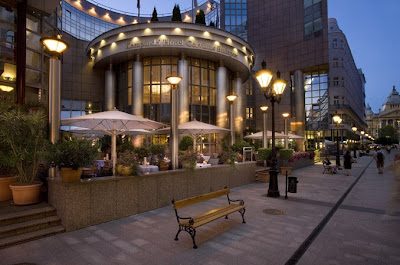
One of our pharmaceutical clients needed to host an investigator meeting in a central European destination and asked BUCOM to recommend a solution. After an extensive search, BUCOM selected the Kempinski Hotel Corvinus Budapest. The meeting space was absolutely perfect for our client’s needs – all with close proximity and easy access to the business center. One of our favorite amenities provided by the Kempinski was complimentary wireless internet access EVERYWHERE in the hotel. You don’t even need a password to connect. This is very rare for a hotel of this size & stature, and was a huge convenience factor for our participants and staff alike.

The concierge staff at the Kempinski was extremely helpful, more so than the other properties we have worked with in Budapest. They went out of their way to ensure that our group was treated like VIPs. Not only did they assist us in pulling our shipments out of customs (which is very strict and notoriously slow) but also followed-up to ensure that they were delivered to our office as soon as they arrived to the hotel. They were very attentive and provided top-notch customer service to all of our attendees when called upon.

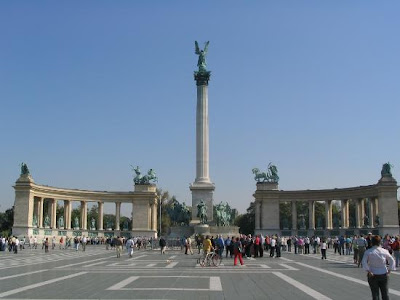
Since the hotel was located in the city center, the participants were able to see many of the most popular local attractions. The sightseeing highlights include Heroe’s Square (pictured above), Buda Castle,
Szechenyi Public Baths, and the Museum of Applied Arts. If you have time, I also suggest the twilight dinner cruises on the Danube River.

All in all, the attendees had a very productive meeting and our client was extremely pleased with the outcome. While we have hosted many programs in Budapest over the last 20 years, the rave reviews from our client ensure that we will be returning again very soon.


Thursday, October 9, 2008

Second Life a viable meeting option?

There is something very nerdy about virtual worlds and the folks that inhabit them way too much. One thing is certain, virtual worlds are going to have more and more real-life applications that will affect all of us in the meeting planning industry.

While you may have dismissed the possibility of hosting meetings & events in virtual worlds in the past, the new generation of information workers have a different attitude. All the Gen-Y kids coming out of Stanford, MIT, and Princeton, the business leaders in 10 years, all have "In-World" avatars that reflect their own preferences and personalities. One day (not too far away), these same avatars will be a confluence of Facebook profiles, V-Cards, LinkedIn profiles and more. Some of the world's largest companies have been investing heavily in Second Life for quite some time.

As meeting planners, we can't afford to ignore new technologies that will have a huge impact on the future of our industry. Imagine completing 10 site visits in one day, without ever leaving your office. Start thinking of the look on senior management's faces when you demonstrate the cost savings gained by having no airfare, no accommodations, no F&B. Are any of you currently using this technology past the demo stage? Is the push coming from your team or your IT department? If not, are any of you in discussion about it? Who is driving it, Meeting Planning, IT, Marketing/Sales or Senior Management?

Here is an interesting example: Virtual Forbidden City developed by IBM in partnership with the Palace Museum. It was designed to encourage people from all around the world to explore and learn about Chinese history and culture.

Starwood's new hotel chain aloft actually launched it's brand with virtual tours in Second Life before any of the properties were opened.

Dell Island (video) is another great example of how consumers can interact with products online. Not a believer yet? Check out the infinite possibilities at What is Scion City. While this is nothing more than an extended commercial, approaching it in a different fashion allows for more engagement. It's only a matter of time until the graphics in Second Life are as good as they are on Grand Theft Auto IV on X-Box 360.

Here an example that touches our political and mainstream media systems - John Edwards' 'In-World' Presidential Campaign mocked by John Stewart:


The business applications for meeting planners are endless, but once again a cultural/consumption shift will have to occur to make it useful. Planners need to anticipate the needs of their customers and attendees and and be there waiting for them when they walk through the door. Being prepared to offer this to our internal customers before they ask for it is what makes us valuable to our organizations.

Instead of a hosting a mandatory compliance training meeting in a boring conference center in some random suburb of Boston, you can host it in your virtual meeting room 'In-World' at your own branded meeting space/swim-up pool-bar, on a Pete Dye-designed golf course sitting on your private island in the Carribean.

Hey, you can dream, right? That's what makes Second Life so interesting. If you'd like to learn more, check out Millions of Us.

Tuesday, October 7, 2008

Southwest Continues it's Hot Streak


In addition to it's recent announcement of service to Minneapolis/St. Paul, Southwest recently announced special airport security lines for frequent travelers. Appropriately entitled "Fly By" security lanes will be open to Business Select passengers, in addition to elite members of their Rapid Rewards program.

The program will be rolled out later this month at Phoenix Sky Harbor International, Orange County John Wayne, Denver International, San Francisco International, Los Angeles International Baltimore/Washington International and Dallas Love Field. While the program is in it's launch phase, they anticipate rolling it out to all major hubs.

"Expediting passengers through security is just one example of how Southwest is enhancing the customer experience by offering added convenience for seasoned travelers," said Kevin Krone, vice president of marketing, sales and distribution.

With their huge win in gas price hedges a couple years ago, along with their financial strength, it seems while all other airlines are grasping at straws, Southwest is increasingly improving their position in the marketplace and with business travelers. While they have traditionally positioned themselves towards consumer travel, they are gaining more traction in the corporate market with their new programs and on-time flight arrivals and departures.

Monday, September 29, 2008

BUCOM named in Top 50 Event Companies by Special Events Magazine


It's always nice to be recognized as a leader in our industry. Thanks to Lisa Hurley, the Editor of Special Events Magazine. We appreciate your hard work and determination in this process.

Tuesday, September 16, 2008

NBTA Launching SMMP Certification Program

The National Business Travel Association will be offering a Strategic Meetings Management certification program within the next 12 months.

It will be interesting to see how many meeting planners complete this certification. My guess is that it will be quite successful, following in the footsteps of the CMP, CMM and CTSM programs.

Monday, September 8, 2008

BUCOM International named in CMI 25 Top Meeting Planning Agencies. Again.


BUCOM INTERNATIONAL has been named to the second annual “CMI 25” list of the industry's largest and most influential full-service independent meeting and incentive travel management companies. Compiled by Penton Media's Corporate Meetings & Incentives® Magazine, the leading information source for the $40.3 billion corporate meetings and events industry, the CMI 25 provides an essential resource for corporate executives and meeting professionals seeking partners for outsourcing all or parts of their programs. The CMI 25 appears in the September issue of Corporate Meetings & Incentives and is available on www.meetingsnet.com.

“The CMI 25 list represents the leading companies in the industry, based on extensive research by our staff,” said Barbara Scofidio, editor of Corporate Meetings & Incentives Magazine. "As outsourcing of meeting and incentive travel program planning becomes increasingly important to corporate America, the CMI 25 have become the ‘go-to’ service providers for executives in many sectors.”

We thank CMI for the recognition, our clients for the inspiration and our team for it's dedication.

Tuesday, August 19, 2008

NY Airports Accept Clear Lanes


Great news for business travelers! As with many things, if NY is doing it, all other cities will soon follow (except for liking the Yankees).

Now if we can just get our flights to leave on time. If the Clear Card gets universally adopted across the country, it will be a major coup for meeting planners and also a fantastic gift idea for professionals.

Other airports online include Atlanta, Boston, Cincinnati, Denver, Dulles, Indianapolis, Jacksonville, JFK, LaGuardia, Newark, Oakland, Orlando, Reno, Salt Lake City, San Francisco, San Jose and Westchester.

Monday, August 18, 2008

BUCOM Video

A short video outlining BUCOM International business highlights.

Thursday, July 31, 2008

Great Slide Presentation on Social Media - by Marta Kagan

What is Social Media?I think we have all read enough about blogs, wikis, RSS feeds to have an idea of what they are about (if you don't know, you're participating right now!).

The BIG question facing Meeting Planners is: How can we embrace & harness their power to enhance our meetings & events? Watch the slideshow below, which has some terrific facts & figures.

We'd love to hear some feedback and get a discussion going on this topic. Stay tuned, more to come...


Thursday, July 24, 2008

Go for the gelato and host a meeting too!


It's hard to say what you'll find most breathtaking about the Eternal City - the opulence of the Vatican, trying to follow a confusing road map, the gory resonance of the Colosseum, trying to cross a major intersection, the bill for your morning coffee, or a Monitor Meeting? Of course, the Monitor Update Meeting!! BUCOM International operated a very successful international internal Monitor Meeting at the Hotel Exedra in Rome this past month. Participants from Russia, UK, Poland, Brazil, Romania, France, Sweden, and Germany to just name a few joined us for a very informative update meeting. The Hotel Exedra, a Boscolo Hotel offered the perfect location for the meeting with the mixture of old world Rome and new technology. The meeting rooms at the Hotel Exedra are perfect for smaller meetings up to 100 people with superior audio visual capabilities, numerous meeting and meal function rooms all on top the ancient Roman ruins. Where else can you look down through a glass floor and see structures dating back hundreds of years while you present or at your coffee break? The Hotel Exedra also offers modern, updated, beautifully decorated large rooms compared to many European hotels. Highlights of the program include a fabulous dinner at Tre Scalini Restaurant at Piazza Navona, pod cast of the sessions for all participants' future reference, and the enjoyment of all the sites and sounds of Rome. BUCOM's number 1 "can't miss" for Rome - the gelato!!!

Monday, July 21, 2008

Tuesday, June 24, 2008

UNIQUE LOCAL VENUES: THE RIVIERA THEATRE

One of the benefits of holding your meeting in a second-tier city is the accessibility of unique venues an reasonable prices. At a recent meeting held at the Charleston Place Hotel in beautiful Charleston, SC, our group had its reception and dinner function in the Riviera Theatre designed by architect Charles Collins Benton. Guests truly enjoyed the history and the atmosphere. With such a pronounced restaurant scene in the Charleston, we considered the evening’s 90% attendance a huge success!

The Riviera, an Art Deco treasure found on Charleston’s King Street, was built on the site of the Academy of Music in 1939. It is listed on the National Registry as part of one of city’s Historic Districts. The facade is of light stone trimmed with black. The vestibule and foyer are finished in black formica and chromium with background of flex wood, and above the entrance is a long mural depicting a scene of Lake Como. The theater opened with a modern heating and cooling system, the latest projection equipment, an automatic drop curtain and organ – and admissions prices of only 25¢! The opening film was "Secrets of a Nurse" with Edmund Lowe, Helen Mack, Dick Foran and Paul Hurst. This stunning theater was the home of first run pictures, on its fifty foot screen, until 1977.

The Riviera was leased to a church group in 1979 and by the mid-1980's, threatened with demolition. The Friends of the Riviera protected the theater and it was eventually sold to the Charleston Place Hotel (located just across the street) in 1993. The hotel soon launched a $4 million renovation project that would take four years to complete. The entire theater was restored save for the removal of the main floor seating to create a ballroom-style meeting space. The Riviera re-opened as a conference center and retail space, but more than 90 percent of the original interior had been restored. The beautiful murals were repaired or copied and the extraordinary plaster details look like they did in 1939. While its days as a single-screen movie theater are over, the Riviera Theater's history is preserved. It continues to serve the Charleston community and its architectural beauty will enchant visitors for decades to come.

Because this historic theatre is today wholly owned and operated by the Charleston Place, there was no rental fee for the space – just the food & beverage minimum from the meeting’s contract. Our Special Events Manager with the hotel helped to customize a menu perfect for our group’s size, palette and budget. Our set-up staff, bartender, and banquet staff were also through the hotel – and thus already familiar faces. Rental fees alone for similar space in a city like Chicago would cost thousands of dollars – and that is before factoring in off-site catering costs for furniture and linen rental, florals, etc. We were able to achieve an experience unique to Charleston for our client and guests without any additional expense.

Sources:
Melnick, Ross. “Riviera Theater.” Cinema Treasures.
http://cinematreasures.org/theater/284/

Author Unknown. “Riviera Theatre – Charleston, SC.” SC Movie Theatres.
http://www.scmovietheatres.com/chas_riv.html

Author Unknown. “Venues – Riviera Theatre & Conference Center.” Charleston Place.
http://www.orient-express.com/web/ocha/ocha_c3d1_riviera.jsp


SECOND-TIER CITIES: A NEW TREND?

Any list of current trends in meeting planning includes the use of second-tier cities to help control costs. But is this really a trend or just validation of what industry experts have already been saying for over a decade?

The internet has a never-ending supply of articles on the subject. This is not surprising. What is a bit unexpected is that the articles date from this year to as far back as 1992. Maybe the idea is not the trend, but effectively selling it to meeting stakeholders who traditionally use only top-tier cities is.

WHAT IS A SECOND-TIER CITY?

Perhaps the best place to start is with a definition of a Second-Tier City (STC). Academia defines STC’s based on economic structure, growth and labor – differentiating these distinct areas from suburbs or large metropolitan areas. But a location viable for a new plant or distribution center may not offer the proximity to major airports crucial to meeting destinations. Alternatively, the Meeting Planners Association sets population parameters for STC’s that range from 300,000 to 1 million. By the MPA’s standards, Washington, DC, Miami and Las Vegas are second-tier destinations (1), but these locations are not generally associated with cost savings.

It seems neither filter really offers a complete list of what stakeholders would consider realistic second-tier destinations that can suit their meeting’s needs. So for our purposes, STC’s will be defined with a broader brushstroke. Focusing specifically on domestic locations and excluding the ten most populous U.S. cities, think of cities characterized by affordability, accommodating residents, unique recreational happenings, easy air-access and first-rate hotels and convention/conference facilities. A few examples include: Indianapolis, IN; Charleston, SC; Nashville, TN; St. Louis, MO, San Jose, CA, Salt Lake City, UT and Louisville, KY.

As a sidebar, the term “easy air-access” also has a definition in flux. As airlines merge (like Northwest and Delta), they boast offering better service to more cities. However, the industry as a whole is simultaneously announcing that the cost of jet fuel will dramatically impact the number of cities serviced and the frequency of flights to ALL destinations – as early as October of this year. For this reason, if air travel is a concern we would recommend focusing on cities with international airports. These airports are typically called such because they are equipped with customs and immigrations facilities, but they are also usually larger facilities with longer runways that can accommodate larger aircraft. While service will still likely be reduced, it is less likely it will be discontinued all together.

WHAT BENEFITS CAN A SECOND-TIER CITY REALLY OFFER?

Besides rising hotel costs, so-called “mega-cities” are also increasing their focus on strengthening transient business – meaning groups may no longer be able to achieve the perks and concessions to which they have grown accustomed. To maintain the proverbial “big fish” feeling, site selection in second-tier cities offers more small ponds from which to choose. (2)

Stakeholders and meeting attendees alike are looking for customized service, high-quality facilities, an experience memorable enough to make it worth the trip and of course, affordability. STC’s unique circumstances can provide all of these benefits for your group.

CUSTOMIZED SERVICE

One of the best service resources in an STC is the local Convention and Visitors Bureau or CVB. Eager to showcase their city, the CVB will often do whatever it takes to get your business – and keep it. Outstanding, customized service begins during the planning phase, but lasts through on-site execution. Not only do they often have regional sales forces that sit locally in other cities, but a CVB offers an unparalleled-network of local suppliers and avenues for cross-marketing your event. The staff at a CVB is generally happy to act as an extension of your meeting planning and logistics-company. They can also provide access to unique spaces like museums, city parks or historical venues. A CVB’s connections to and relationships with local talent and attractions should be leveraged and not overlooked. These components offer tremendous added value and in smaller cities come at a much smaller price tag (3) than in say Manhattan, Chicago or Los Angeles.

Larger groups, especially, often take up the majority of the available meeting and hotel space in smaller cities. Without competing distractions for the venue’s on-site staff, these groups are essentially guaranteed undivided attention and a high level of service. No request or need is ignored. From event-branded signage throughout the city to designated public transportation vehicles, the city’s doors are opened. In this way, not only meeting planners but also attendees witness how keen these cities are for your business. (4)

HIGH-QUALITY FACILITIES

Luckily for today’s meeting stakeholders, the idea of smaller cities getting an increased market share of the events business is not new. As Katie O’Bryan, Director of Midwest Sales for the Louisville CVB says, STC’s “have been consistently popular for education, nursing, agriculture and religious groups for a long time”. Hence improvements to the infrastructure of these cities – including the building and expansion of state-of-the-art conference and convention centers, hotel inventory and airports – have been in the works since the early 1990’s. (5) First-class amenities in these cities are the norm far more often than the exception. Now, however, they are finally drawing the attention of industries that traditionally looked only to top-tier cities for meeting destinations.

To get the word out about new, top-notch facilities, many markets have teamed the sales forces of their convention center with that of the local CVB. In this way, the smaller cities remain competitive by offering a more customizable product than larger cities. The San Jose Convention Center for instance offers a flexible pricing structure based on a group’s overall economic impact on the community (including room nights, food & beverage, equipment rental, etc.). (6)

Also with a little bit of creativity, issues that might initially appear as obstacles may not be. Even though many smaller cities have added top-tier hoteliers to their portfolio, they often still cannot accommodate a large group under one roof. Nevertheless, these same destinations usually have a far more cohesive hotel community than in larger cities. Working as a unit instead of against each other, multiple property representatives develop a housing plan for your group and create a seamless transportation schedule for moving attendees between meeting facilities and guest accommodations. (7) This is just another example of how second-tier cities will do whatever it takes to get your business.

MEMORABLE EXPERIENCES

To truly make a meeting or event memorable for your group you must provide opportunities attendees would not have had on their own. This is why meeting planners seek out unique entertainment options in any location. But to obtain a competitive edge, STC’s see this as more substantial than a single activity – it is about developing a total branded experience.

Louisville, KY is a great example of this. O’Bryan explains that “what Napa is to wine, Louisville is to bourbon.” Her colleague Lisa LeCompte, Senior Sales Manager Louisville CVB, explains that their close access to the “Kentucky Bourbon Trail” creates great entertainment options - even beyond just distillery tours - such as an “Urban Bourbon Tasting Tour” through some of the more storied taverns of Louisville or a keynote by Bill Samuels Jr., President & CEO Maker’s Mark.

What is unique about your destination? What is its historical significance? What are the cultural assets of the city and how can they parlay into something attendees will never forget? These are the questions smaller city CVB’s are asking themselves and their Chambers of Commerce before designing a message to sell to meeting planners.8 Playing to these strengths and linking them to the needs of the client’s industry can actually make STC’s more appropriate for a meeting than traditional mega-destinations. (9)

The combined efforts of convention centers, hotel communities and CVB’s are also very effective for reinforcing your meeting’s brand throughout a city. According to Greg Deininger, VP of Sales & Marketing for the St. Louis Convention & Visitors Commission, they are “one team speaking with one voice, which makes it easier for the customer. We have one board, one sales and marketing force, one group of people looking at the value of a group in terms of room (tax and hotel occupancy), as well as convention center revenue." (10) He further explains that they “put banners on the streets, place signage in the malls and give the hotels welcoming ribbons." This sort of welcome into a city is bound to have a positive impact on your brand and make a lasting impression on your attendees.

AFFORDABILITY

For groups that traditionally use top-tier destinations, affordability is generally the major contributing factor in looking to STC’s for their programs. This is especially true in a struggling economy. But “affordability” is really more of an umbrella term. It can encompass broader strategic moves such as holding regional meetings to limit/eliminate travel and overnight hotel costs or reducing the length of the meeting to reduce lost productivity because employees are not out of the office as long. It can be indicative of the overall impression of the expensiveness of a city/destination, or more specifically refer to itemized costs like airfare, ground transportation, hotel rates or catering expenses. Below is a sampling of cost-comparisons for the budget line-items just mentioned. With a few exceptions, STC’s offer notable savings.

AIRFARE
Chicago to St. Louis - $159/Southwest; $165/American
Chicago to Louisville - $157.50/Southwest; $164/United
Chicago to New York - $285/United and American
Chicago to Miami - $350/American
Chicago to Las Vegas - $366.50/Southwest; $474/USAir
Chicago to Minneapolis-$373/United, American & NWA

(Prices published on Orbitz.com and Southwest.com for non-stop, roundtrip airfare as of June 23, 2008. Flights are departing at approximately 8:00am, August 4, 2008 and returning at approximately 7:00pm, August 6, 2008.)

HOTEL COST
Denver - $189
Cleveland - $229
St. Louis, MO - $299
Boston, MA - $395
San Francisco - $469
New York, NY - $645

(Prices published on RitzCarlton.com for the nightly rate for a standard guestroom with 1 King or 2 Double beds at the Ritz-Carlton in each city for the night of July 1, 2008.)

HOTEL OCCUPANCY/TOURISM TAX RATES
Las Vegas, NV – 9%
San Jose, CA – 10%
Little Rock, AR – 11.5%
Charleston, SC – 12.5%
New York, NY – 13.375% plus $3.50/night
Los Angeles, CA – 14%

GROUND TRANSPORTATION
Charleston, SC - $30
Cincinnati, OH - $70
Louisville, KY - $75
New York, NY - $168
San Francisco, CA - $175
Chicago, IL - $199
(Prices provided are for one-way sedan service from the relevant city airport to downtown hotels.)

GALLON OF COFFEE, SERVICE CHARGES AND F&B TAX
The Shore Club, Miami Beach, FL - $48.00, 20%, 7%
Westin Atlanta Airport, Atlanta, GA - $50.00, 22%, 7%
Westin Bonaventure Hotel & Suites, Los Angeles, CA - $60.00, 22%, 8.25%
Ritz-Carlton Reynolds Plantation, Greensboro, GA - $65.00, 20%, 7%
Charleston Place, Charleston, SC - $78.00, 20%, 9.5%
Marriott Marquis Time Square, New York, NY - $104.00, 22%, 8.375%

(Prices published in each property’s current catering menus.)

One important thing to keep in mind too is that smaller markets may be more willing to negotiate on meeting space rental, hotel and food and beverage charges in order to win your business. They may also have more flexibility with concessions such as complimentary upgrades, VIP amenities or designing packages that will be attractive to attendees and your bottom line.

SUMMARY


Even as prices continue to escalate in major hub locations destinations and tight budgets further constrict meeting spend, stakeholders still want to exceed their attendees’ expectations. Hence, the use of second-tier cities as meeting destinations will emerge as a key business strategy in more and more industry verticals. This may require a leap of faith to start, but if you can demonstrate that you have taken into account criteria that are important to both participants as well as stakeholders you will get their attention. With proper research and partnership with CVB’s, the quality customer service, meeting facilities, memorable experiences and economic benefits will speak for themselves.

SOURCES
1. Sweeney, Mark M. “Second-Tier Cities: The Right Size at the Right Cost”. Business Facilities: The Location Advisor. February 2004. http://www.businessfacilities.com/bf_04_02_cover.asp

2. Tesar, Jenny. “Second-Tier Cities: Do they still have the "big fish-small pond" advantage?”. Medical Meetings. February 1995.
http://meetingsnet.com/medicalmeetings/meetings_firstclass_service_secondtier/

3. Kovaleski, Dave and McGee, Regina. “ How to Score With Second-Tier Cities”. Associations & Meetings. June 2004.
http://meetingsnet.com/associationmeetings/meetings_score_secondtier_cities/

4. Author Unknown. “First-Class Service at Second-Tier Prices”. Medical Meetings. June 1997.
http://meetingsnet.com/medicalmeetings/meetings_firstclass_service_secondtier/

5. Author Unknown. “First-Class Service at Second-Tier Prices”. Medical Meetings. June 1997.
http://meetingsnet.com/medicalmeetings/meetings_firstclass_service_secondtier/

6. Kovaleski, Dave and McGee, Regina. “ How to Score With Second-Tier Cities”. Associations & Meetings. June 2004.
http://meetingsnet.com/associationmeetings/meetings_score_secondtier_cities/

7. Tesar, Jenny. “Second-Tier Cities: Do they still have the "big fish-small pond" advantage?”. Medical Meetings. February 1995.
http://meetingsnet.com/medicalmeetings/meetings_firstclass_service_secondtier/

8. Mascari, Patricia A. “ Second-tier cities, first-rate partners” . Association Management. November 1992. http://www.encyclopedia.com/doc/1G1-14569363.html

9. Sherman, Patricia. “Marketing/Promotions: Meeting Attendance Goals for Shows in the West.” Expo Web. Feb. 2006.
http://www.expoweb.com/Marketing_Promotions/2006FebMeetingattendancegoalsforshowsintheWest.htm

10. Tesar, Jenny. “Second-Tier Cities: Do they still have the "big fish-small pond" advantage?”. Medical Meetings. February 1995.